

What is PU Leather? Everything You Need to Know
Introduction
In today’s world, leather is everywhere—from fashion to furniture. But not everything that looks like leather is actually the real deal. One of the most common alternatives is PU leather. While it’s marketed as a cheaper, animal-free substitute, it comes with many drawbacks.
So, what exactly is PU leather? How is it made, how can you identify it, and why is it often considered an inferior choice compared to real, vegetable-tanned leather? Let’s dive in.
What is PU Leather?
PU leather stands for Polyurethane Leather. Despite its name, it’s not real leather. Instead, it’s a synthetic material made by coating a base fabric (like cotton or polyester) with a layer of polyurethane plastic. This outer layer is then embossed to imitate the texture of animal hide.
The result is a material that looks like leather from a distance, but lacks the natural durability, breathability, and aging qualities of genuine leather.
Is PU Leather Real Leather?
No. PU leather is not made from animal hides. It’s a man-made product designed to mimic the appearance of real leather at a fraction of the cost.
Some companies market PU leather under confusing terms such as:
- “Man-made leather”
- “Leatherette”
- “Synthetic leather”
- “Vegan leather”
While it avoids animal use, PU leather is still plastic-based and comes with its own environmental concerns.

How is PU Leather Made?
The process of making PU leather involves several steps:
1:Base Fabric – Usually polyester, cotton, or a blend, providing strength and flexibility.
2:Polyurethane Coating – A plastic layer is applied to give the product its leather-like surface.
3:Embossing – Machines press a leather-like texture into the surface to replicate grain.
4:Chemical Treatments – Added for stain resistance, shine, or durability.
This process creates a uniform, leather-like appearance, but one that lacks the organic imperfections and richness of genuine leather.
A Brief History of PU Leather
Polyurethane itself was invented in 1937 by Dr. Otto Bayer in Germany. Initially used in insulation and adhesives, PU found its way into leather alternatives during the 1960s, when manufacturers sought cheaper, mass-produced materials for clothing and upholstery.
From fast fashion to car seats, PU leather quickly gained popularity for its low price and versatility. However, its environmental and durability issues have made it increasingly controversial today.

How to Tell if Something is PU Leather
Because PU leather is often marketed to resemble the real thing, it’s important to know how to identify it. Here are some key tips:
1:Check the Label
Real leather is labeled as “Genuine Leather” or “Full-Grain Leather.”
PU leather often says “Man-Made Material,” “PU,” or “Faux Leather.”
2:Look Closely
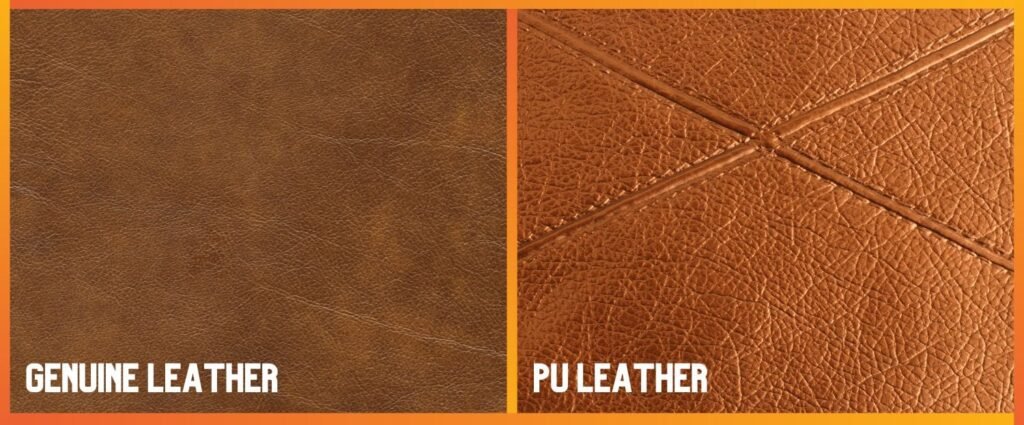
PU leather has a uniform texture (too perfect, without natural grain).
Real leather shows natural imperfections, scars, and unique patterns.
3:Feel the Surface
PU leather feels smooth, plasticky, and sometimes stretchy.
Real leather feels soft, breathable, and textured.
4:Smell Test
PU leather smells like chemicals or plastic.
Real leather has a rich, earthy leather scent.
5:Water Absorption Test
Place a drop of water on the surface.
Real leather absorbs water within seconds.
PU leather repels water and the drop will sit on the surface.
6:Price Point
If it looks like leather but is very cheap, it’s likely PU.
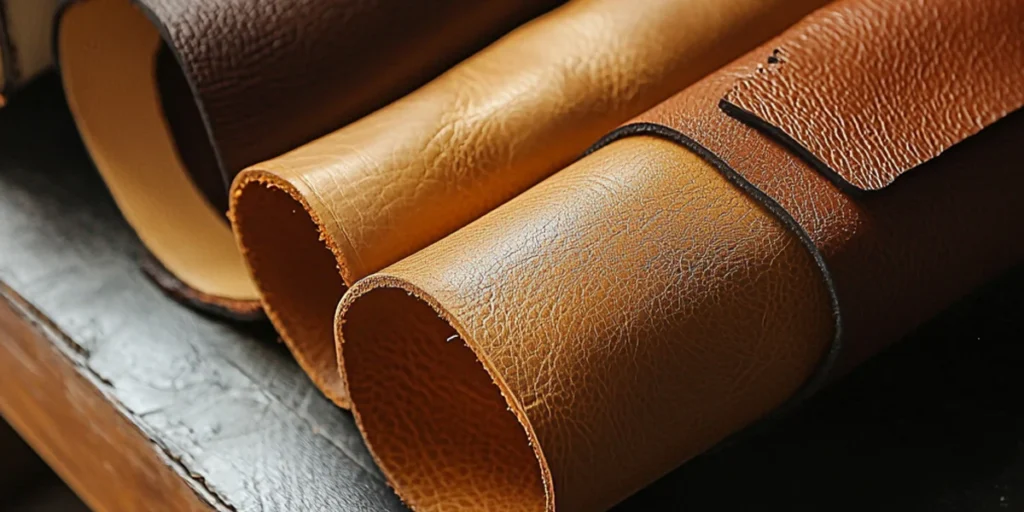
Is PU Leather Toxic?
Unfortunately, yes—PU leather can release toxic chemicals.
Disposal is also an issue since PU leather is non-biodegradable and can take hundreds of years to break down.
The manufacturing process often involves volatile organic compounds (VOCs), which can cause headaches, nausea, and irritation.
Some PU leather contains heavy metals (like lead or cadmium), which are harmful to humans and wildlife.
Disadvantages of PU Leather
While PU leather has its advantages (affordability, easy cleaning, animal-free production), it comes with significant downsides:
1: Durability – PU leather cracks, peels, and wears out quickly, usually lasting 6–24 months with daily use.
2: Environmental Impact – Petroleum-based, non-biodegradable, and contributes to plastic waste.
3: Toxicity – Can release harmful VOCs and pollutants during production and disposal.
4: No Aging Quality – Instead of developing a beautiful patina like real leather, it fades, cracks, and looks worn.
5: Lower Value – Needs frequent replacement, making it less cost-effective long-term.
PU Leather vs. Real Leather
| Feature | PU Leather | Real Leather (Vegetable-Tanned) |
| Source | Synthetic plastic coating on fabric | 100% natural animal hide |
| Lifespan | 6–24 months | 10–30+ years |
| Feel & Smell | Plasticky, chemical odor | Soft, unique, rich leather scent |
| Aging | Cracks, peels, loses shape | Softens, gains patina, improves with time |
| Environmental Impact | Petroleum-based, non-biodegradable | Biodegradable, eco-tanned |
| Craftsmanship | Mass-produced | Handmade, artisanal |
| Maintenance | Easy wipe-down | Requires conditioning, but lasts decades |
| Long-Term Value | Low | High |

Is PU Leather Vegan?
PU leather is animal-free, so technically vegan. However, being vegan doesn’t automatically mean eco-friendly. Since it’s petroleum-based and non-biodegradable, many environmentalists argue it’s simply a form of greenwashing when companies market PU as “sustainable.”
Is PU Leather Waterproof?
PU leather is water-resistant thanks to its plastic coating.
However, it’s not fully waterproof—long exposure to water can cause damage and peeling.
Can PU Leather Be Recycled?
Technically, PU leather can be recycled, but it’s difficult and expensive. Most products end up in landfills or are incinerated, adding to pollution.
Final Thoughts – Should You Buy PU Leather?
PU leather is cheap, versatile, and widely available—but it’s far from perfect. Its short lifespan, environmental harm, and lack of authenticity make it a poor alternative to real, vegetable-tanned leather.
If you’re looking for something durable, natural, and sustainable, investing in genuine, ethically produced leather is the better choice. While it costs more upfront, it lasts decades, ages beautifully, and is biodegradable—making it the smarter long-term investment for both you and the planet.
✅ Quick Recap:
PU leather = synthetic, plastic-coated fabric.
Looks like leather, but lacks durability and character.
Non-biodegradable, toxic production, and poor aging.
Doesn’t absorb water (unlike real leather).
Best avoided if you want quality, sustainability, and longevity.